
The story of Hispanic marketing in the United States is one of cultural evolution, economic awakening, and strategic adaptation. While the Hispanic presence in the U.S. dates back centuries, the intentional and structured marketing to this demographic is a relatively recent phenomenon—emerging in earnest in the 1960s and 1970s, and evolving into a multibillion-dollar industry by the 21st century.
Early Representations and Stereotypes (Pre-1960s)
Before formal marketing efforts began, representations of Latinos in American media were often shaped by political and cultural stereotypes. As early as the 19th century, U.S. media depicted Latin America through a lens of imperialism and paternalism, especially following the Spanish-American War of 1898. These portrayals—often infantilizing or exoticizing Latin American cultures—laid the groundwork for how Latinos were perceived in early advertising and film. [raceandethnicity.org]
The Birth of Hispanic Advertising (1960s–1980s)
The 1960s marked a turning point. As the U.S. Hispanic population grew—particularly in states like California, Texas, and Florida—advertisers began to recognize the economic potential of this demographic. Early campaigns were often translations of English-language ads, but by the 1970s, culturally tailored messaging began to emerge.
- Spanish-language media outlets like Univision (originally SIN, founded in 1962) played a pivotal role in creating platforms for Hispanic-focused advertising. [americanhistory.si.edu]
Zubi Advertising: A Visionary Beginning
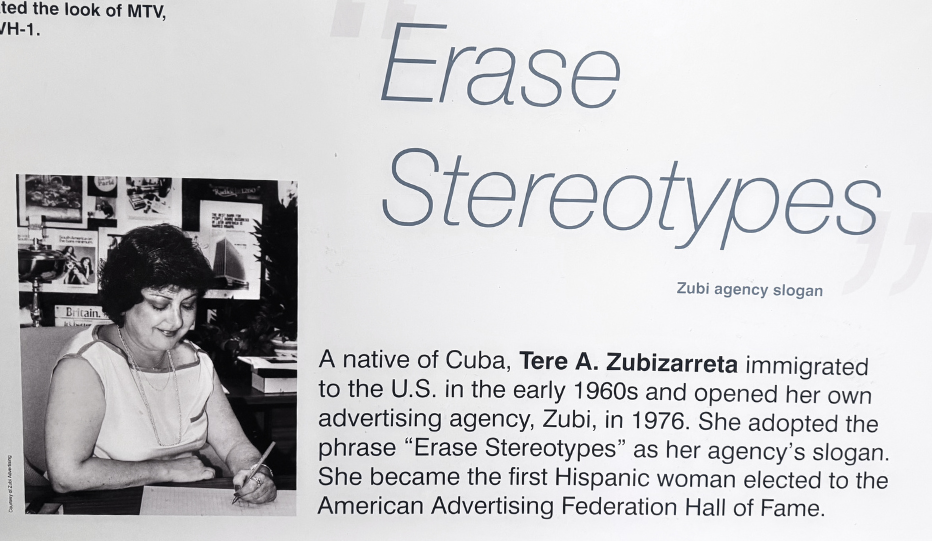
Founded in 1976 by Teresa “Tere” Zubizarreta, Zubi Advertising started with a borrowed typewriter, a phone, and a $465 retainer—driven by a bold mission to eliminate stereotypes and empower minorities through advertising. As one of the first agencies to champion multicultural marketing, Zubi redefined the industry by proving the economic and cultural value of Hispanic consumers. Tere’s groundbreaking work earned her a place as the first Hispanic woman in the American Advertising Federation Hall of Fame, cementing Zubi’s legacy as a trailblazer in inclusive, culturally authentic campaigns. [zubiad.com]
Institutional Recognition and Growth (1990s–2000s)
By the 1990s, Hispanic marketing had become a recognized specialty within the advertising industry. The formation of the Association of Hispanic Advertising Agencies (AHAA) helped professionalize the field and advocate for culturally competent campaigns.
Notable milestones:
- 1990s: Pro-bono bilingual campaigns like VOTO, aimed at increasing Latino voter participation, demonstrated the power of culturally resonant messaging.
- 2000s: Major brands began investing heavily in Hispanic marketing, recognizing the community’s growing purchasing power and cultural influence.
The Digital Era and Cultural Fluency (2010s–Presents)
Today, Hispanic marketing is no longer a niche—it’s a mainstream imperative. With over 62 million Hispanics in the U.S. (about 19% of the population), brands that ignore this demographic do so at their peril.
Key trends include:
- Bilingual and bicultural messaging: Campaigns now often use “Spanglish” and culturally hybrid narratives to reflect the lived experiences of second- and third-generation Latinos.
- Digital and influencer marketing: Social media has empowered Latino creators to shape brand narratives and connect with audiences authentically.
- Cultural competency: Brands are expected to go beyond language and demonstrate a deep understanding of Hispanic values, such as family, tradition, and community. [kantar.com]
Conclusion: From Marginalization to Market Power
The journey of Hispanic marketing in the U.S. reflects broader societal shifts—from marginalization and stereotyping to recognition and empowerment. What began as a hesitant foray into Spanish-language advertising has evolved into a sophisticated, culturally nuanced industry that not only sells products, but also celebrates identity.
As the Hispanic population continues to grow and diversify, the future of marketing in America will be increasingly shaped by how well brands understand and engage with this vibrant and influential community.
Hispanic Innovation Spotlight
The Inventor Who Saved Millions
Julio C. Palmaz, an Argentinian-born physician, revolutionized cardiovascular medicine with his invention of the balloon-expandable stent. What began as a garage experiment became a life-saving device that transformed treatment for coronary artery disease, reducing the need for invasive surgeries and restoring hope for millions worldwide.
FDA-approved in the early 1990s, the Palmaz Stent is now considered one of the “Ten Patents that Changed the World.” Today, more than a million stent procedures are performed annually, and Palmaz’s pioneering work continues to inspire advancements in minimally invasive medicine. His legacy is a testament to how vision and persistence can redefine healthcare.
Did You Know?
Julio Palmaz holds dozens of patents and was inducted into the National Inventors Hall of Fame for his groundbreaking contributions.
Source: Smithsonian National Museum of American History
Final Thoughts
We hope you enjoyed this edition of our newsletter and found it both informative and inspiring. At Ark Marketing Latino, our mission is to empower you to thrive in the ever-evolving multicultural marketing landscape with creativity and confidence.